


Rethinking Elf on the Shelf: A Play Therapist’s Guide to Reducing Holiday Stress for Children
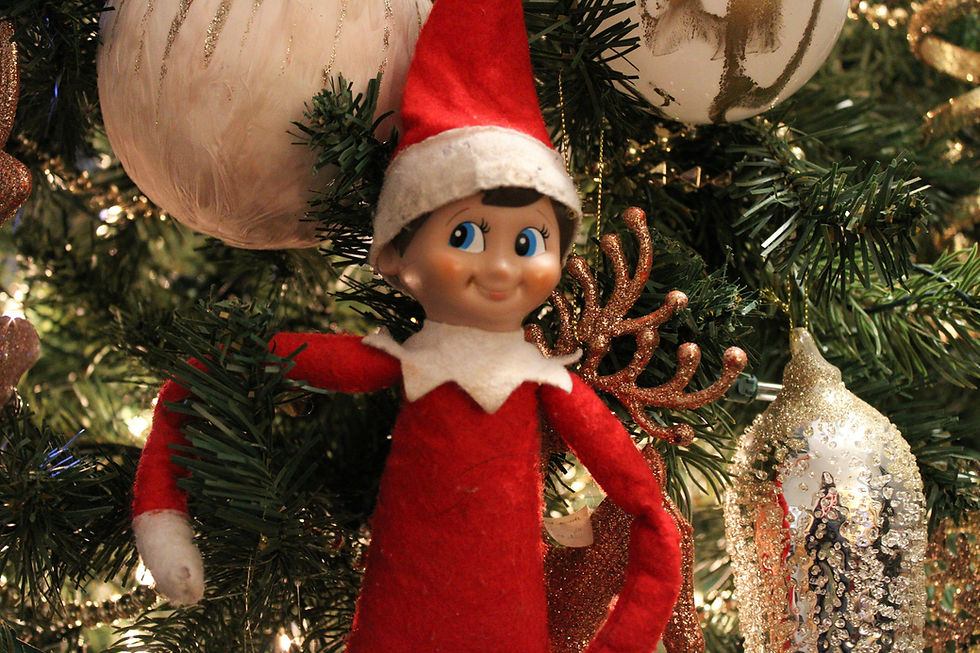
As a Play Therapist, I love seeing families lean into joy, imagination, and shared traditions during the holidays. Many parents tell me how much their children look forward to the magic of Elf on the Shelf each year.
But I also hear something else — the stress, meltdowns, and anxiety that sometimes show up when the elf becomes less about fun and more about surveillance and behavior control.
If you’ve ever said, “The elf is watching,” or “I’ll tell Santa,” you’re in good company — this is a common cultural message. But it’s one that can unintentionally increase anxiety, dysregulation, and challenging behaviors in children. Maybe it is time for rethinking Elf on the Shelf.
Let’s talk about why that happens, and how you can keep the magic without the meltdowns.
When the Elf Becomes a Source of Stress
Children thrive on connection, predictability, and understanding. But fear-based motivational tools can disrupt that foundation.
1. Fear Doesn’t Improve Behavior — It Increases Dysregulation
When kids feel watched, judged, or pressured, their nervous systems activate into stress mode. That can mean:
• more meltdowns
• more impulsivity
• less emotional control
• more clinginess or anxiety
• poorer sleep
• school challenges
This isn’t “misbehavior.” It’s a stress response.
The idea that an elf is reporting every mistake to Santa can feel overwhelming for kids who:
• are sensitive
• struggle with anxiety
• are neurodivergent
• are perfectionistic
• feel deeply responsible for approval
These children may internalize the elf as someone they can disappoint — or someone who can “get them in trouble” — which increases shame rather than motivation.
2. External Pressure Doesn’t Teach Internal Skills
Fear-based compliance may work in the short term, but it doesn’t help kids build:
• emotional regulation
• problem-solving
• empathy
• resilience
• the ability to make good choices when no one is watching
Children learn these skills through connection, modeling, and consistent support — not surveillance.
Shifting From Fear to Fun: Reimagining Your Elf Tradition
You don’t have to stop doing Elf on the Shelf. You just may need a reframe.
Here are playful, connection-based alternatives:
1. Make the Elf a Helper, Not a Reporter
Instead of the elf “watching,” the elf can:
• bring small coping tools (a calming glitter jar, fidget, coloring page)
• leave encouraging notes (“You worked hard on your big feelings yesterday”)
• suggest acts of kindness (“Let’s donate a toy today!”)
• share a silly joke or a positive message
This keeps the magic without the pressure.
2. Create Collaborative Elf Magic
Invite children into the creativity:
• Let them draw maps or write notes to the elf.
• Let them suggest silly set-ups or ideas.
• Have the elf ask for their help, not perfection.
Children feel empowered when they have a role in the story.
3. Help the Elf Model Regulation
Your elf can model:
• taking deep breaths
• resting in a hammock made of a dish towel
• practicing yoga poses
• reading a book to “calm their holiday excitement”
Kids internalize what they see — and seeing the elf regulate normalizes their own big feelings.
Supporting Your Child’s Nervous System During the Holiday Season
Holidays add excitement — and stress. Here are therapist-approved ways to help your child regulate:
1. Keep Routines Predictable
Try to maintain:
• consistent sleep
• predictable meal times
• regular downtime
Even small disruptions can feel big to children.
2. Build in “Recovery Time”
After outings, parties, or busy days, schedule:
• quiet play
• time in their room
• sensory play (playdough, sand, water, kinetic sand)
• co-regulating moments (snuggling, reading, rocking)
3. Watch for the “Holiday Window of Tolerance”
If you notice increased:
• irritability
• emotional sensitivity
• hyperactivity
• clinginess
• tears
…your child may be overstimulated. Slowing down often helps more than pushing through.
4. Emphasize Connection Over Compliance
During dysregulation, children don’t need threats or reminders about the elf. They need you.
Try:
• getting low and close
• using a warm tone
• offering a hug
• narrating what you see (“This feels really big for you”)
Connection calms the brain and makes cooperation easier.
Keeping the Magic, Leaving the Fear Behind
When rethinking Elf of the Shelf, it can be a delightful tradition — as long as it supports your child’s emotional well-being rather than stressing their nervous system. When we shift from fear to connection, we’re not just making the season happier… we’re helping children build lifelong skills.
If your elf becomes a helper, a friend, a source of silliness, or a model of regulation, you preserve the joy and imagination of the holiday while strengthening your child’s sense of safety. And that is the real magic of the season. We hope this post helps with rethinking Elf on the Shelf this holiday season.


Comments